
Exploring Campfield Marsh
A diverse RSPB Nature Reserve in Cumbria, England
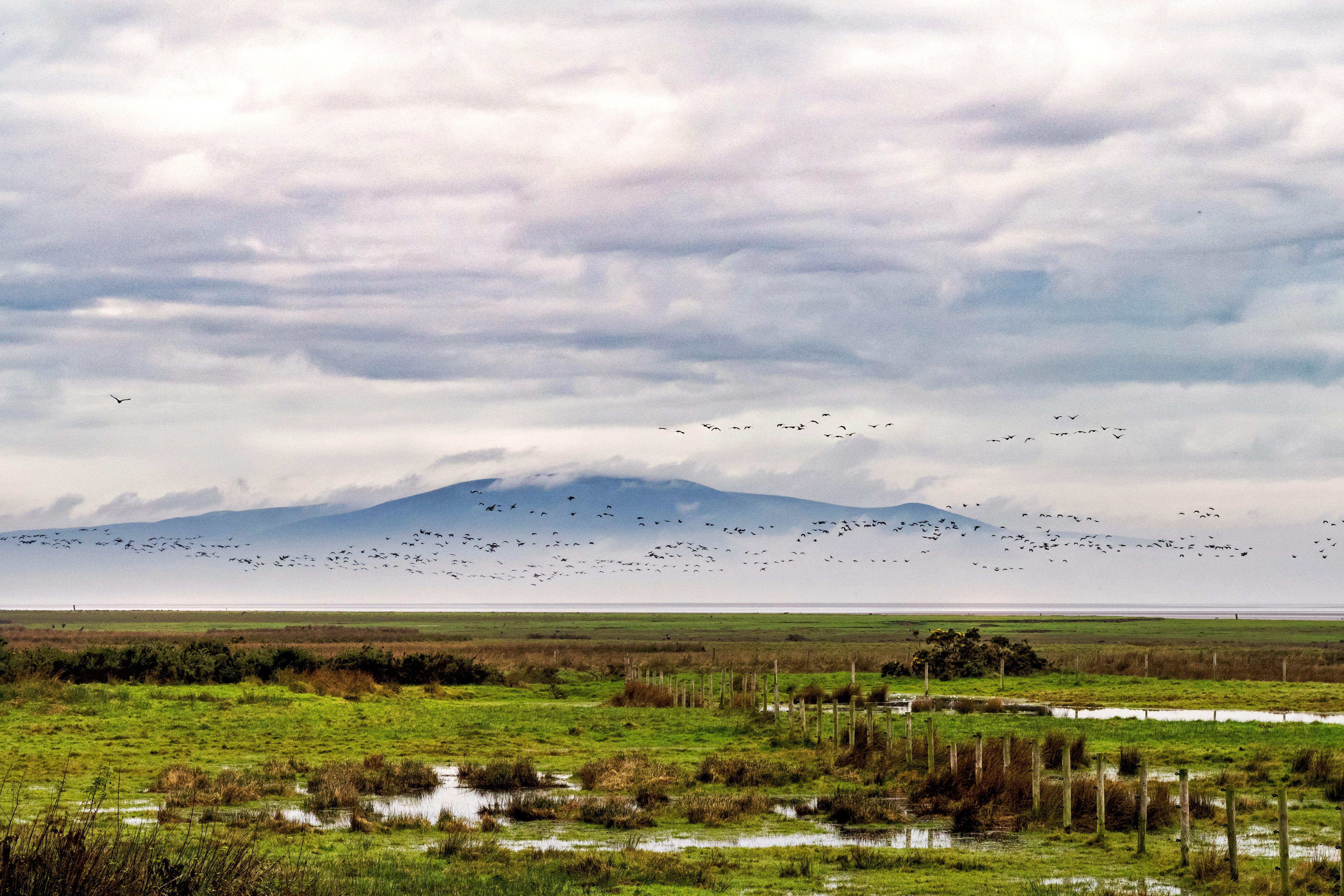
Campfield Marsh was the first place Matt and I visited when we moved to Cumbria a couple of months ago. It is only a few miles from our rented house, and we have visited several times since.
Managed by the RSPB, Campfield Marsh is a very diverse nature reserve, with grass meadows which are prone to flooding, small areas of woodland, a large expanse of peat bog and areas of saltmarsh along the Solway coast. With its range of habitats it is a great place for spotting all manner of wildlife.
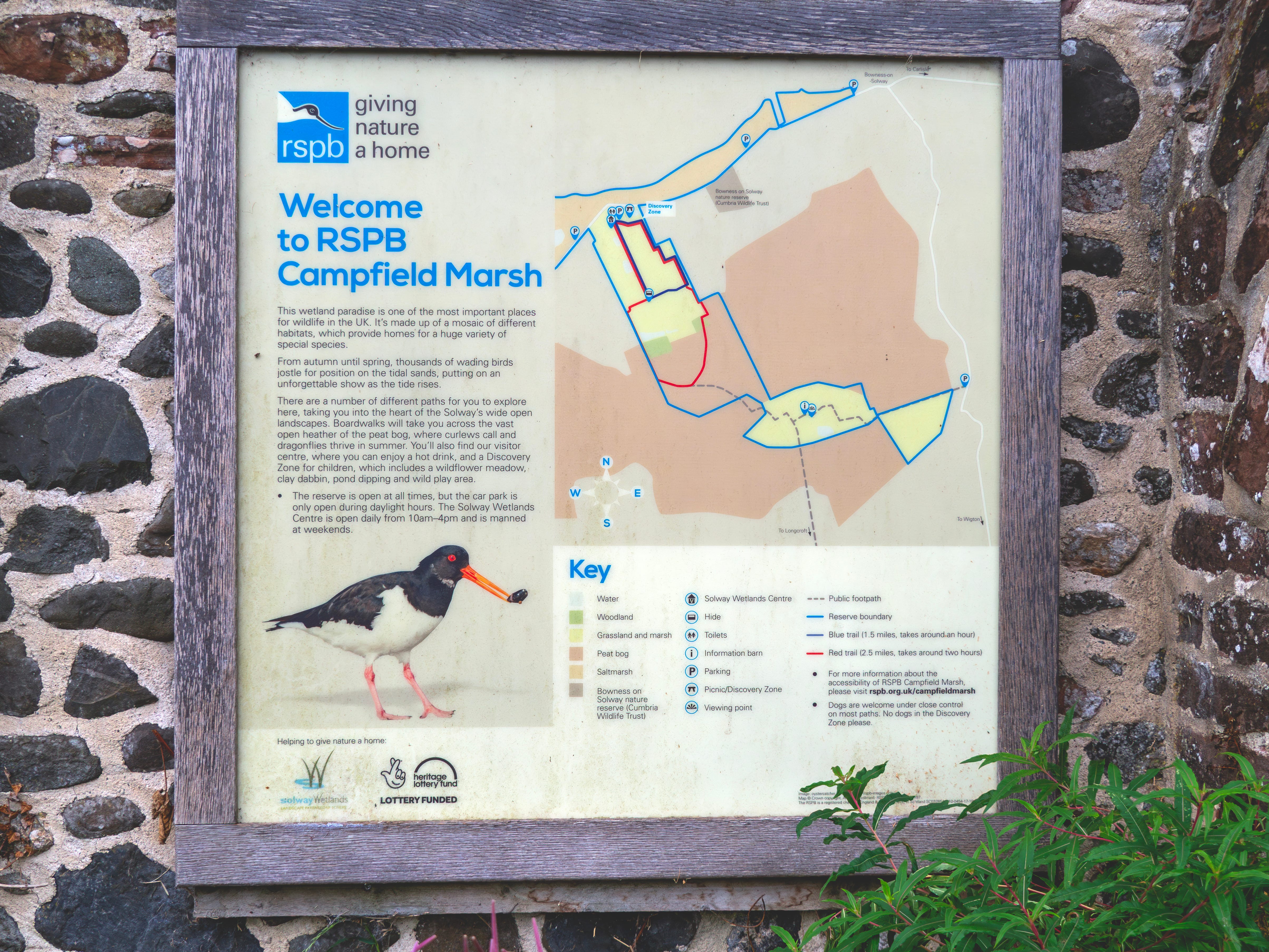
On our most recent visit we followed the red walking route shown on the map above.
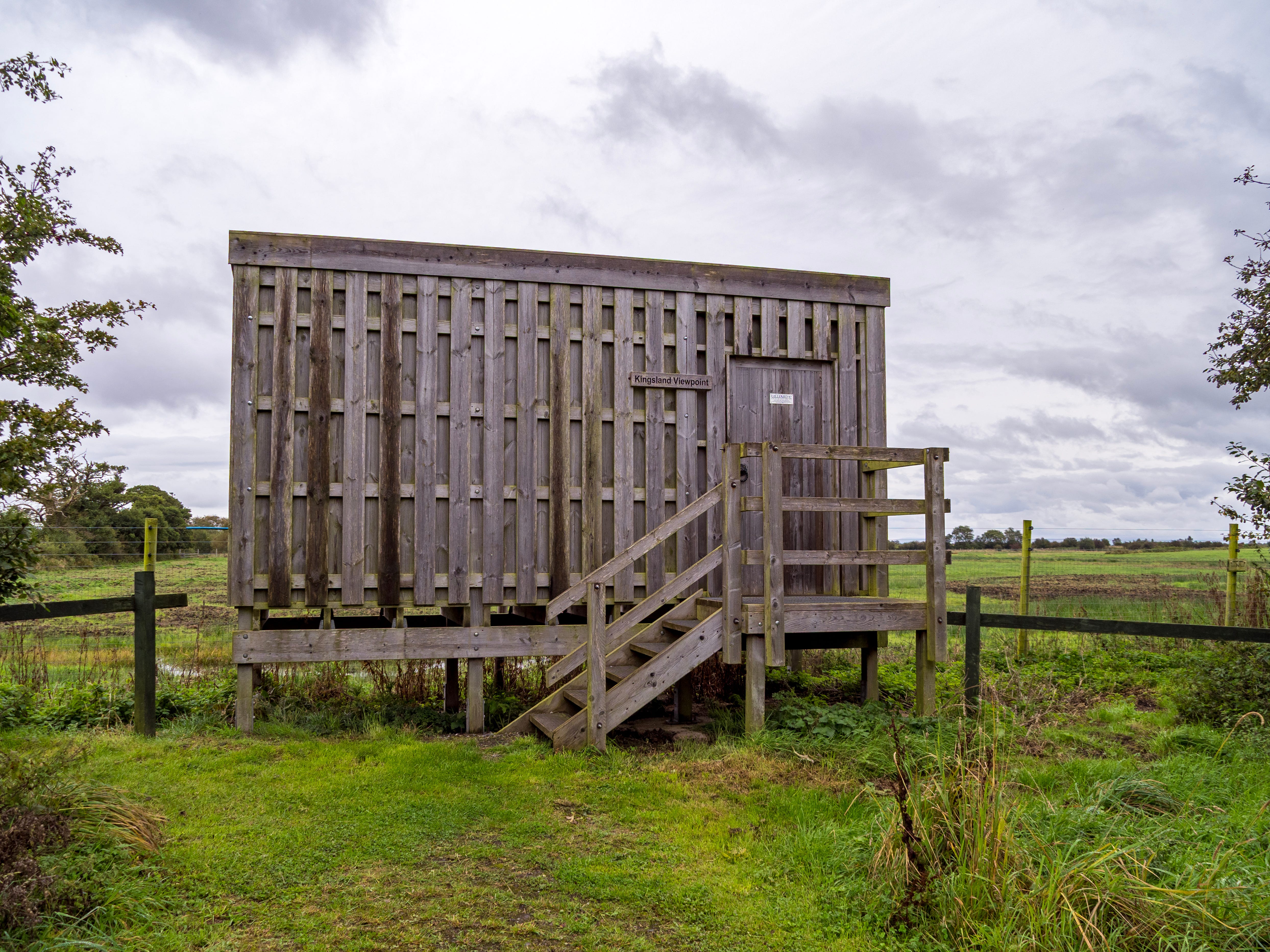
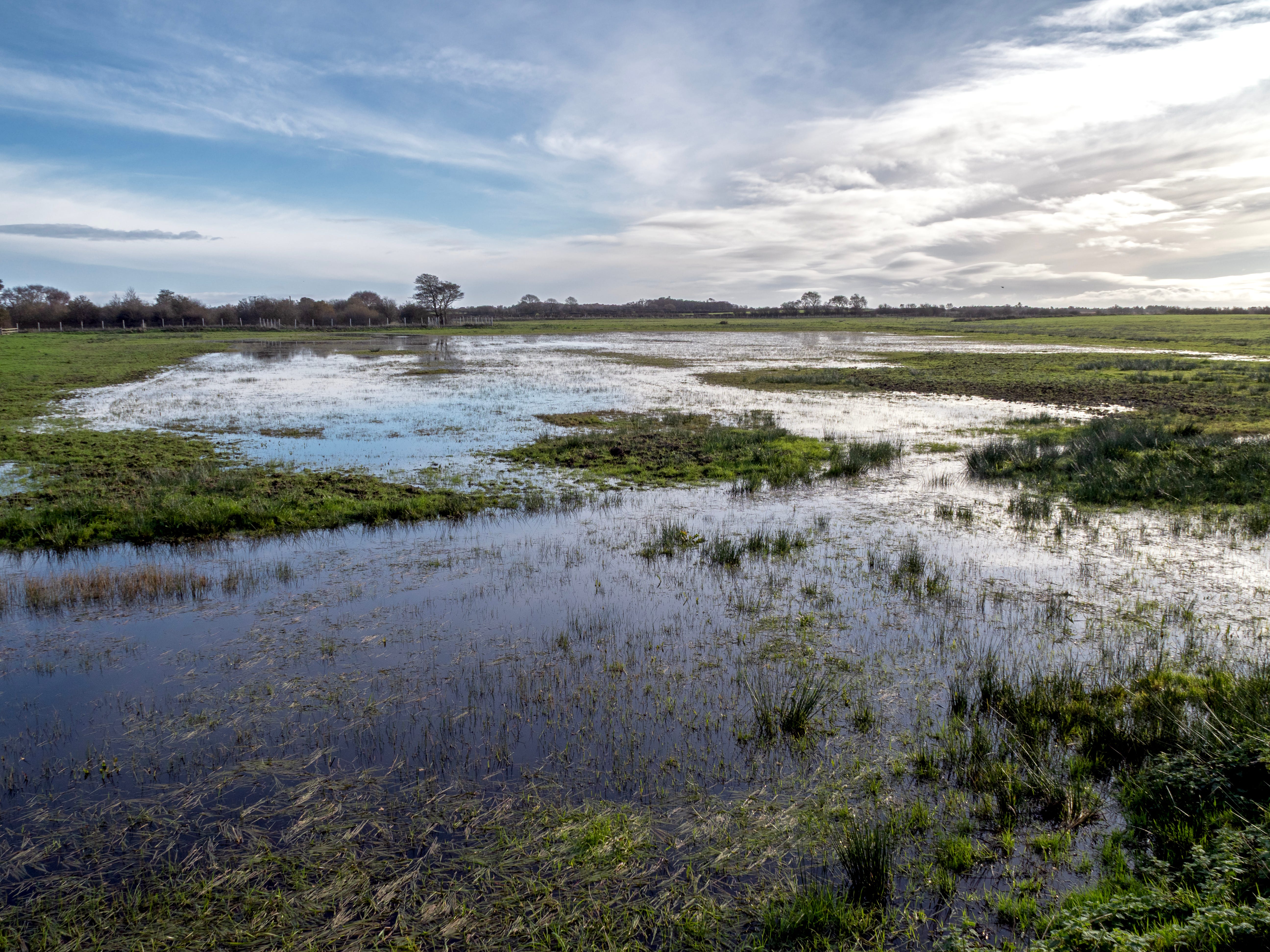
From the convenient car park a clear lane sets off through the grassland. On our first visit the meadows were dry except for a couple of ponds, but on our latest trip several of the meadows were waterlogged after heavy rain. A couple of sturdy open-fronted hides give excellent views along the way.
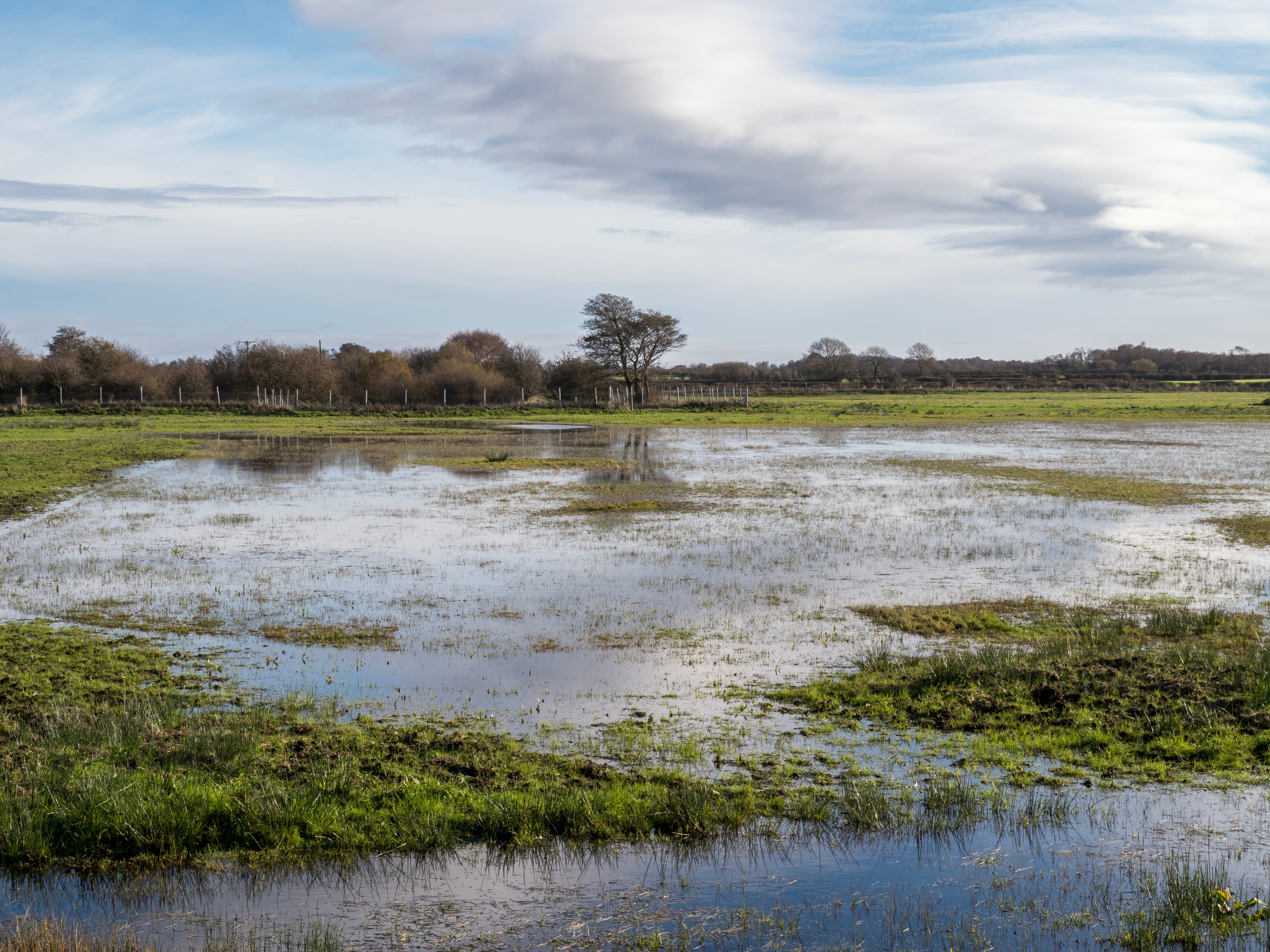
We were delighted to see a few barnacle geese feeding in the meadows among the greylag geese. We were also lucky enough to see a glossy ibis which had been reported on the reserve for the past few days (too far away to photograph, unfortunately).
This was the second glossy ibis we had seen recently - having also seen one on our recent trip to Aberdeenshire. Perhaps, like egrets, these birds will become a regular sight in our wetlands.
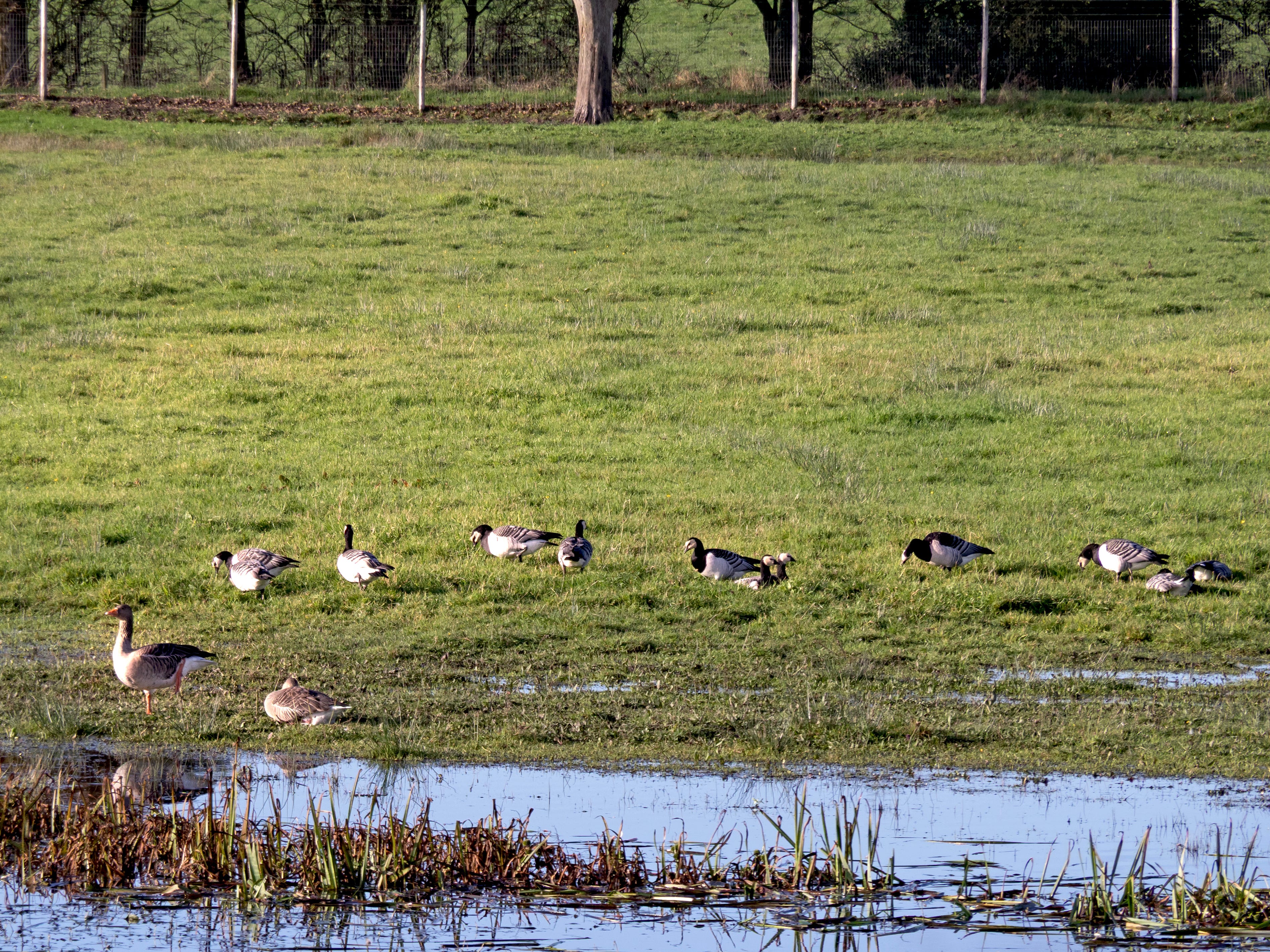
Thousands of barnacle geese spend the winter around the Solway Firth, and I still find it incredible that these birds have come all the way from Svalbard. I have been to Svalbard, so I know how far it is! (You can read about our trip to Svalbard using the link at the end of this post.)
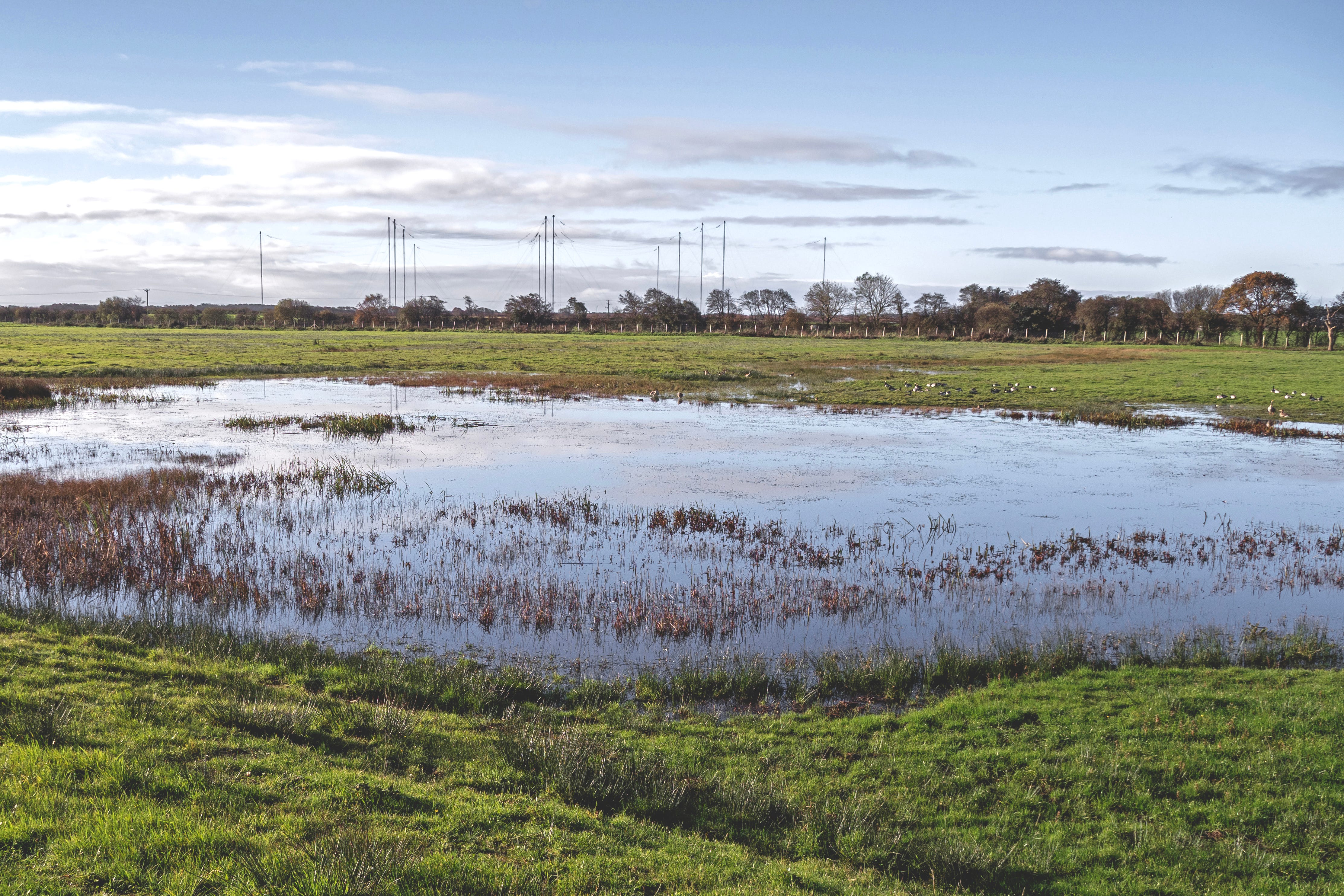
On the photo below you can just make out more groups of barnacle geese feeding on the right behind the floodwater, as well as the now familiar masts of the Anthorn Radio Station (our house is just beyond the masts).
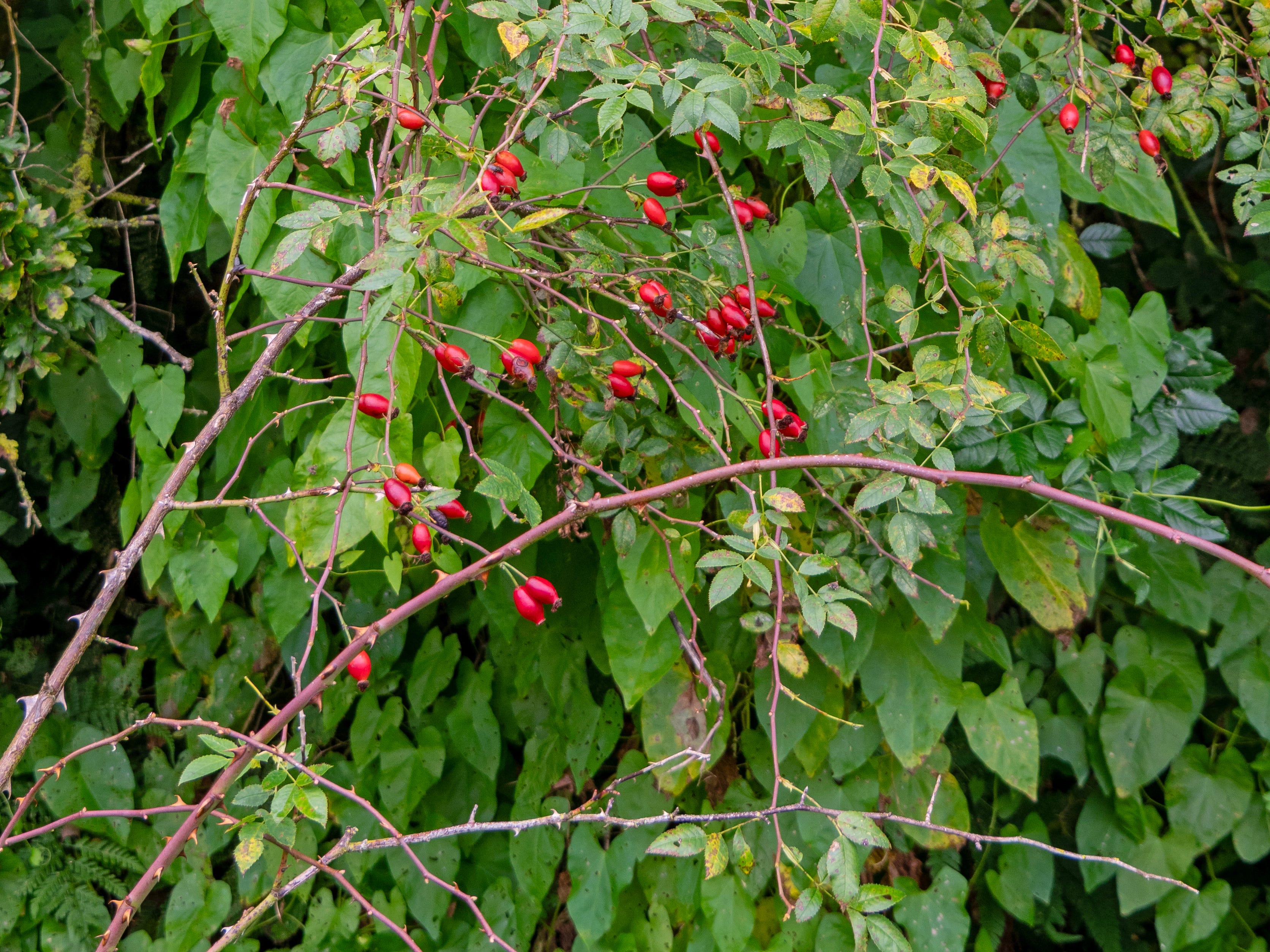
The lane we followed is lined with hedgerows filled with rose hips and hawthorn berries, providing food and shelter. We spotted a few redwings, another winter visitor, flitting around searching for berries, as well as robins, blackbirds, blue tits, great tits, a coal tit and flocks of goldfinches.
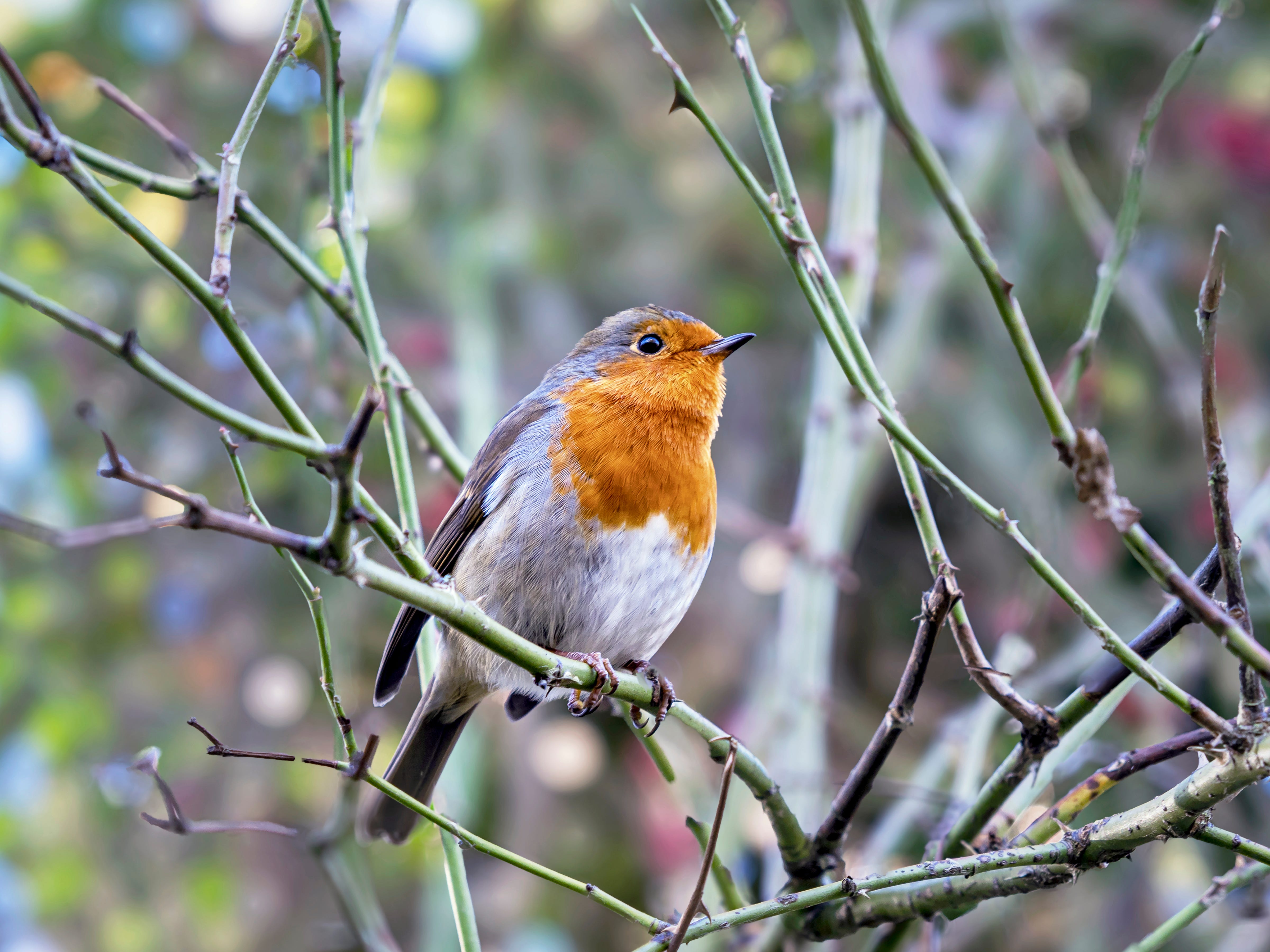
As on our previous visit, when we reached the main bird hide we had it to ourselves. Unfortunately there wasn’t much going on - just a few greylag geese, mallards and coots, and a kestrel hovering over the fields. Last time we visited we were lucky enough to see a pair of ospreys! Of course they will have headed south now to spend the winter in warmer climes.
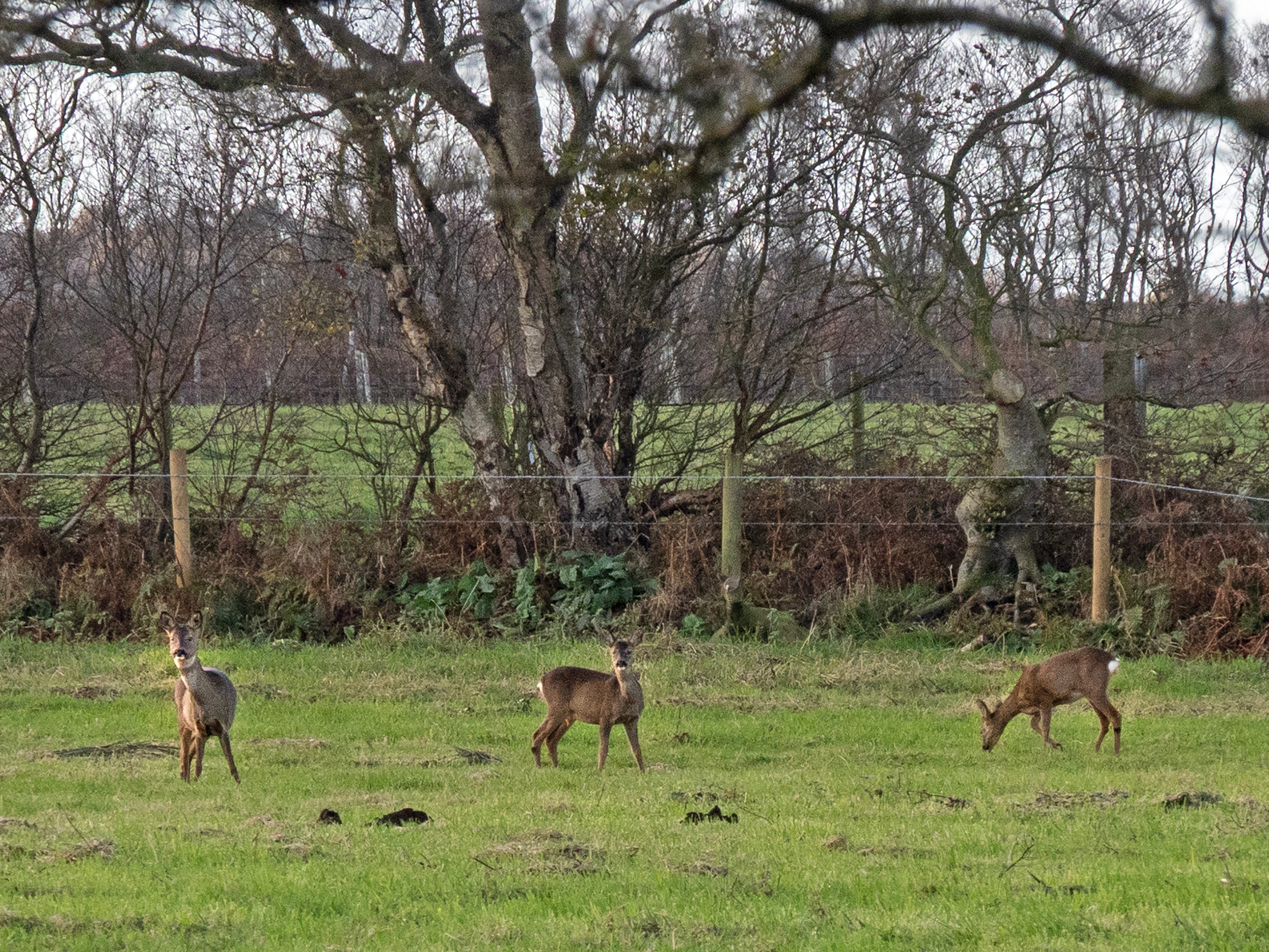
From the main hide you can do a short loop back to the car park, but on this trip we opted to do the longer loop which heads off through the peat bog. The trail first skirts around some fields, where we were lucky to see some roe deer grazing.
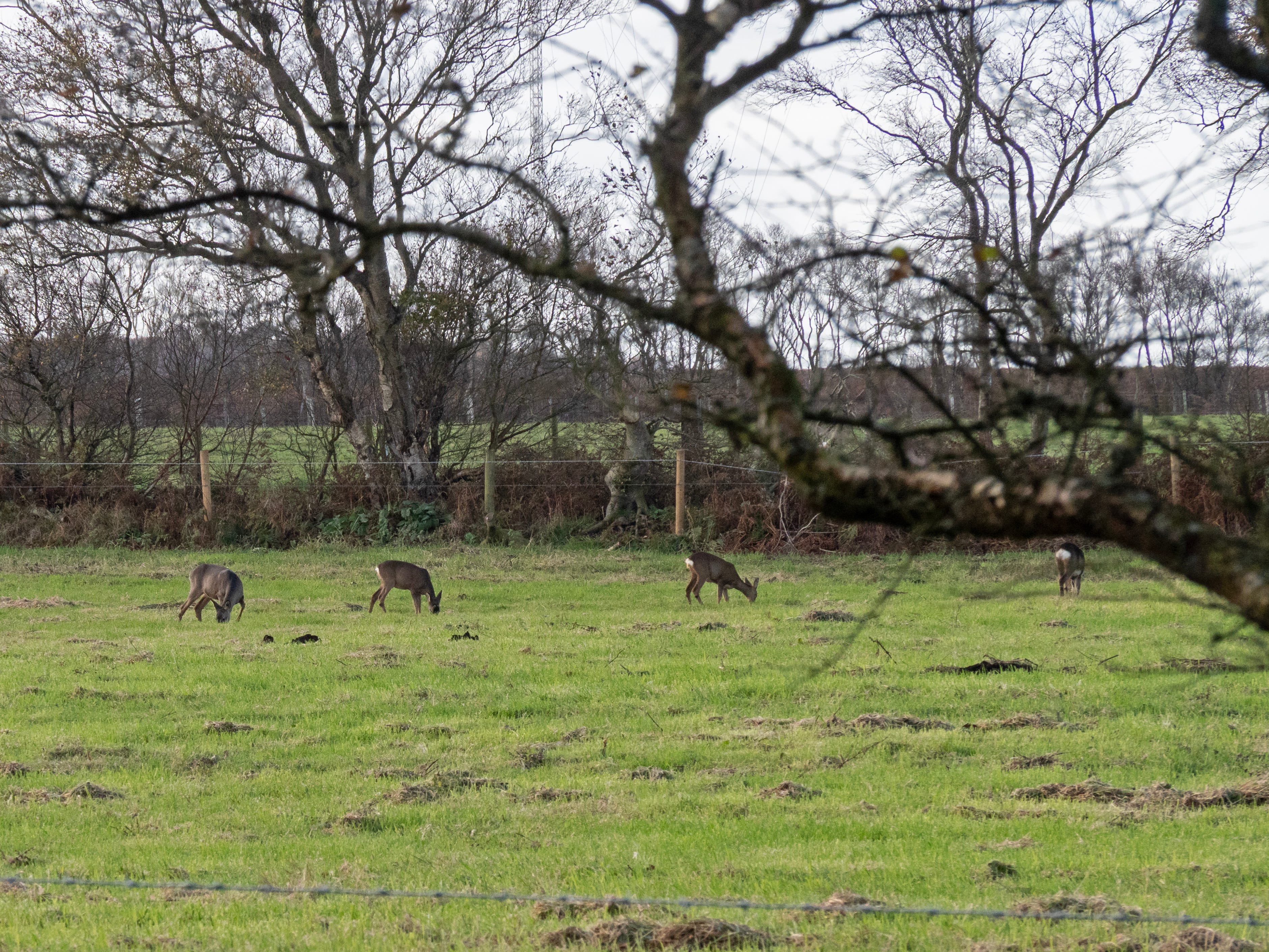
They were clearly aware of our presence, but must have decided we were not a threat, as they soon resumed grazing peacefully.
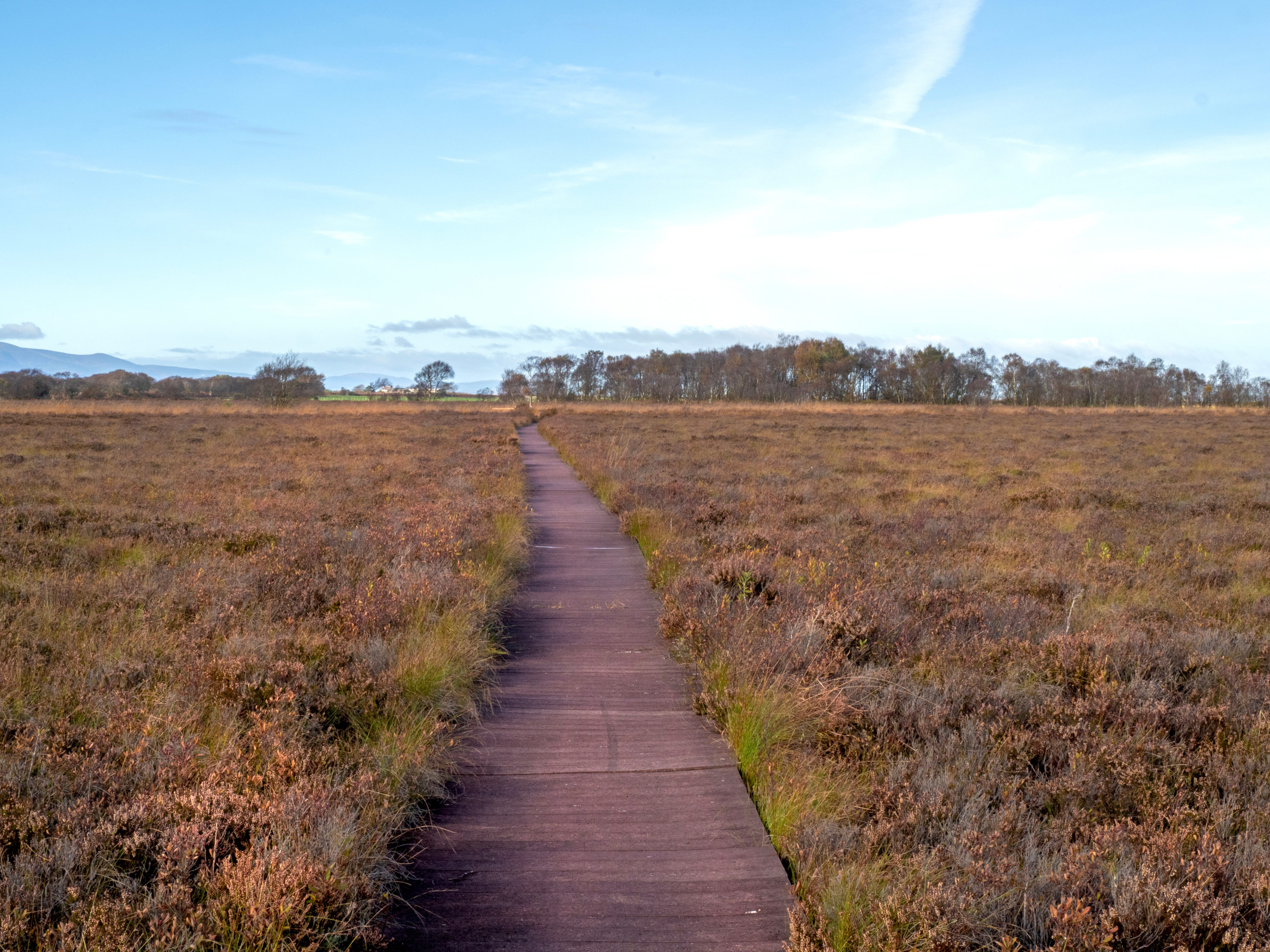
After passing the fields an excellent boardwalk is reached. This takes you on a long loop through the raised bog habitat that is so characteristic of this area.
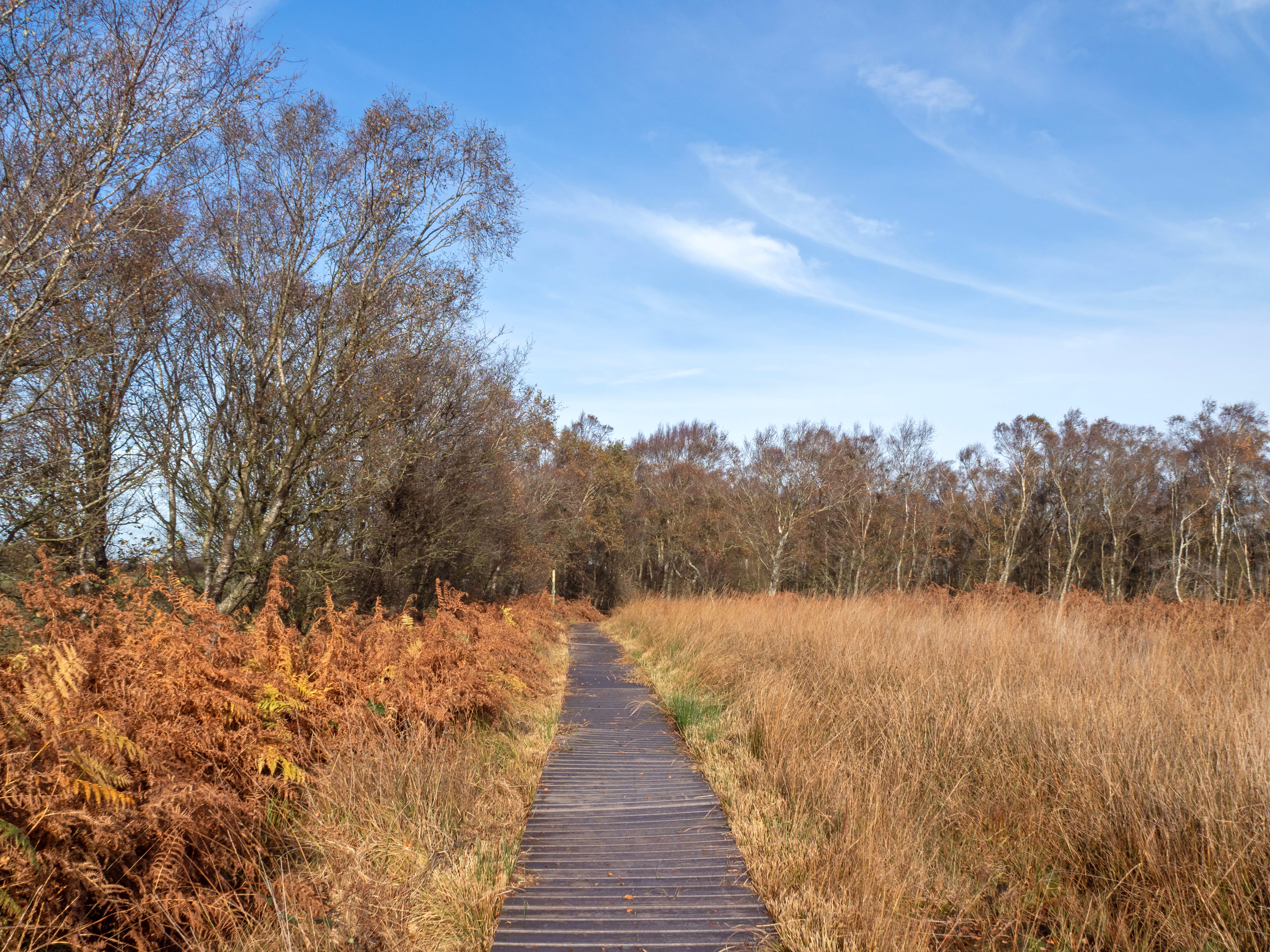
I love the feeling of wide open space and the far ranging views in this part of the reserve. Depending on which direction you face you can see the outline of the distant Lake District hills or Criffel on the Scottish side of the Solway Firth.
A pair of swans flew overhead as we walked round, and a snipe flushed from the bog close to our feet. It feels wild and windswept here, far removed from the fast pace of modern life. It feels refreshing - a place to slow down and just breathe.
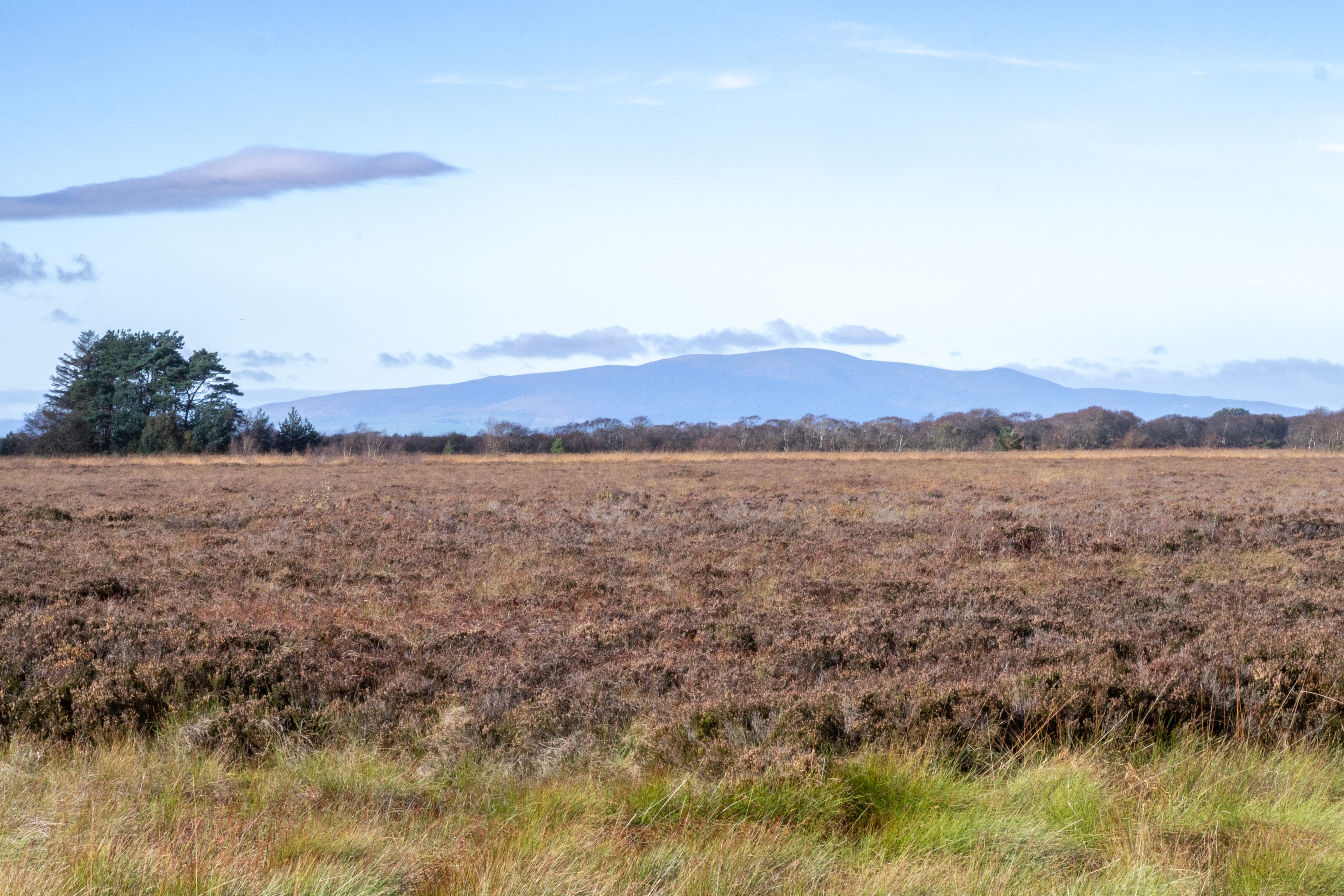
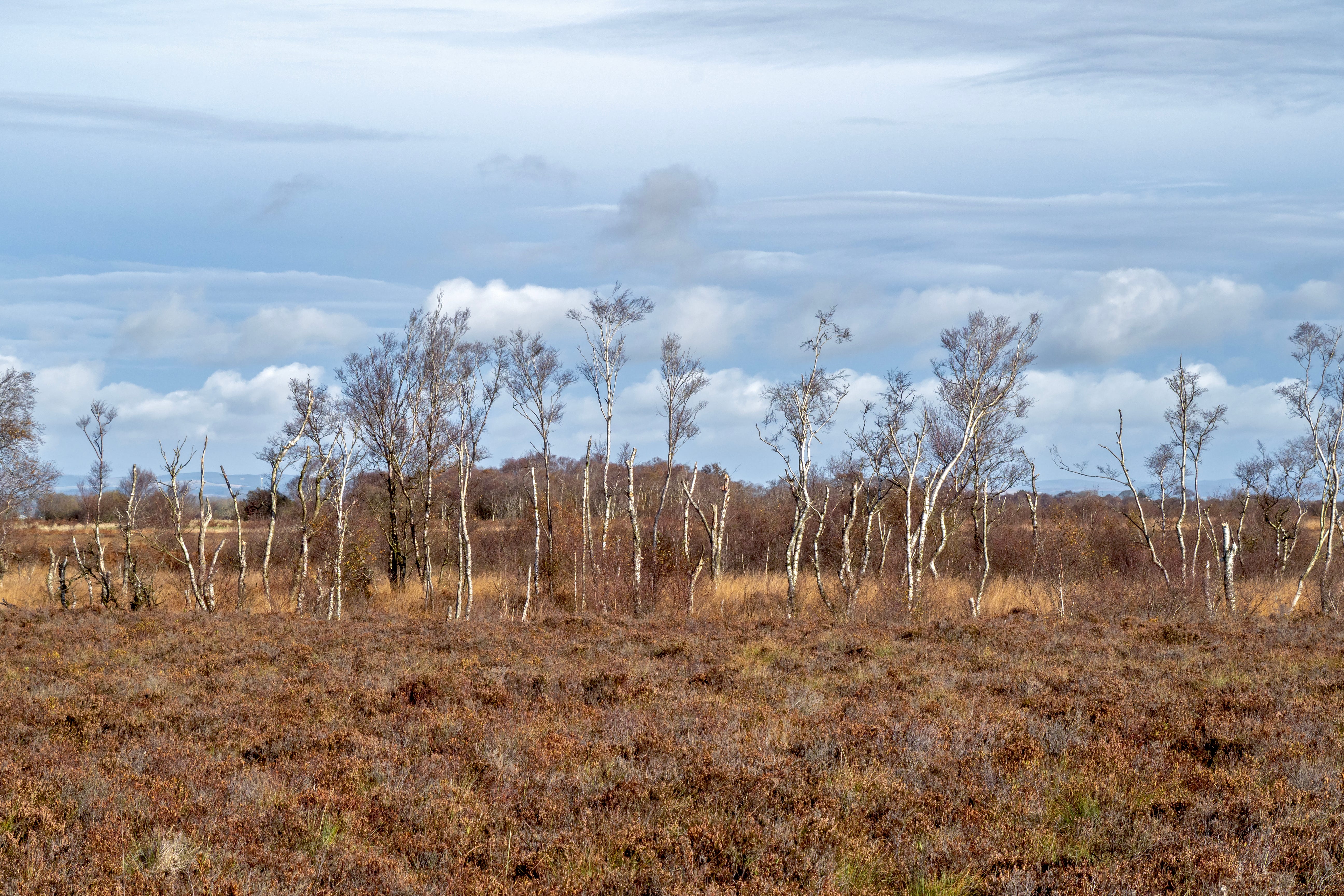
Just before the end of the boardwalk is a copse of silver birch trees, many damaged by the frequent strong winds in this exposed area.
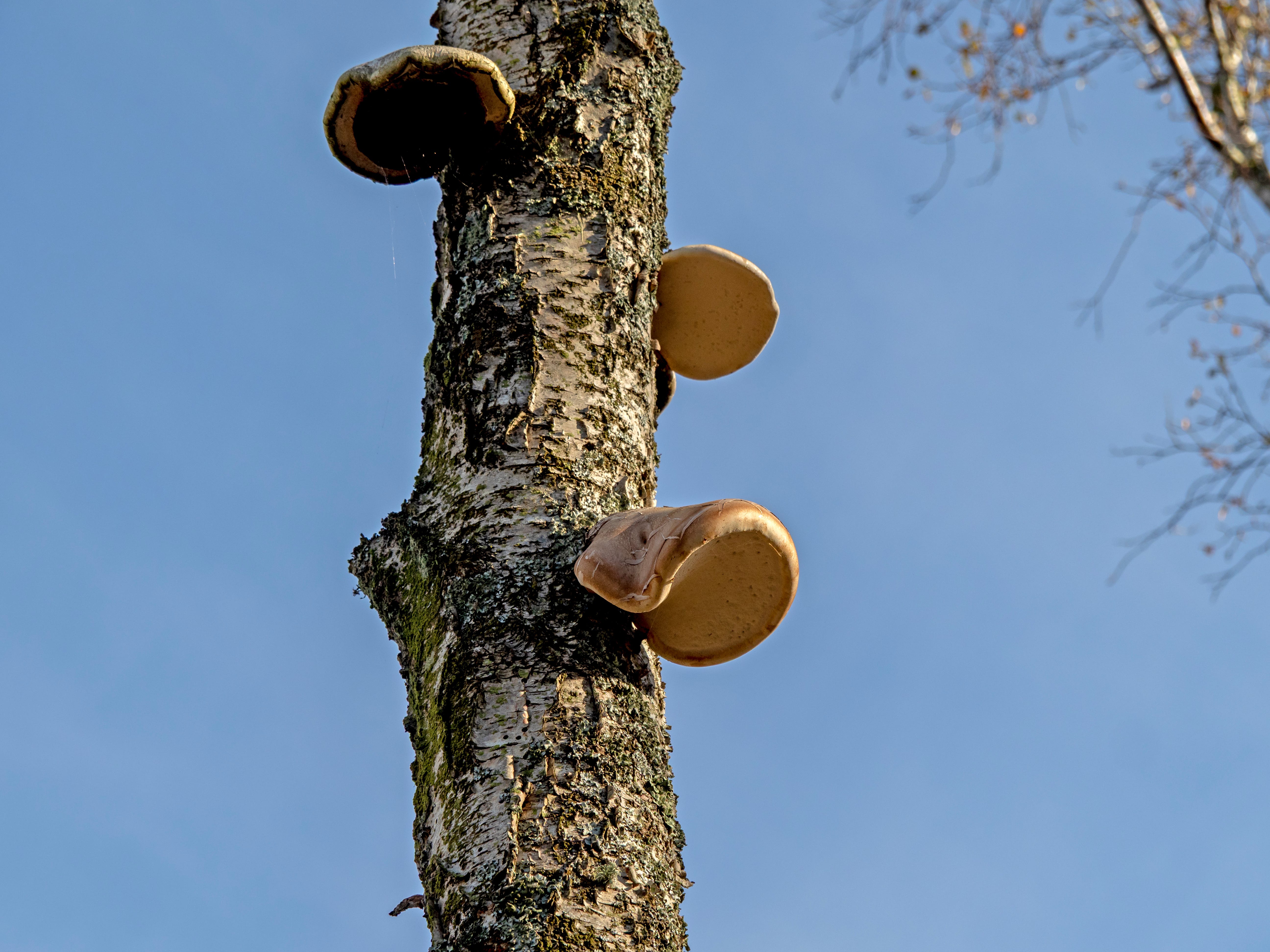
We noticed some fine specimens of birch bracket fungus growing from the trunks of some of the damaged trees.
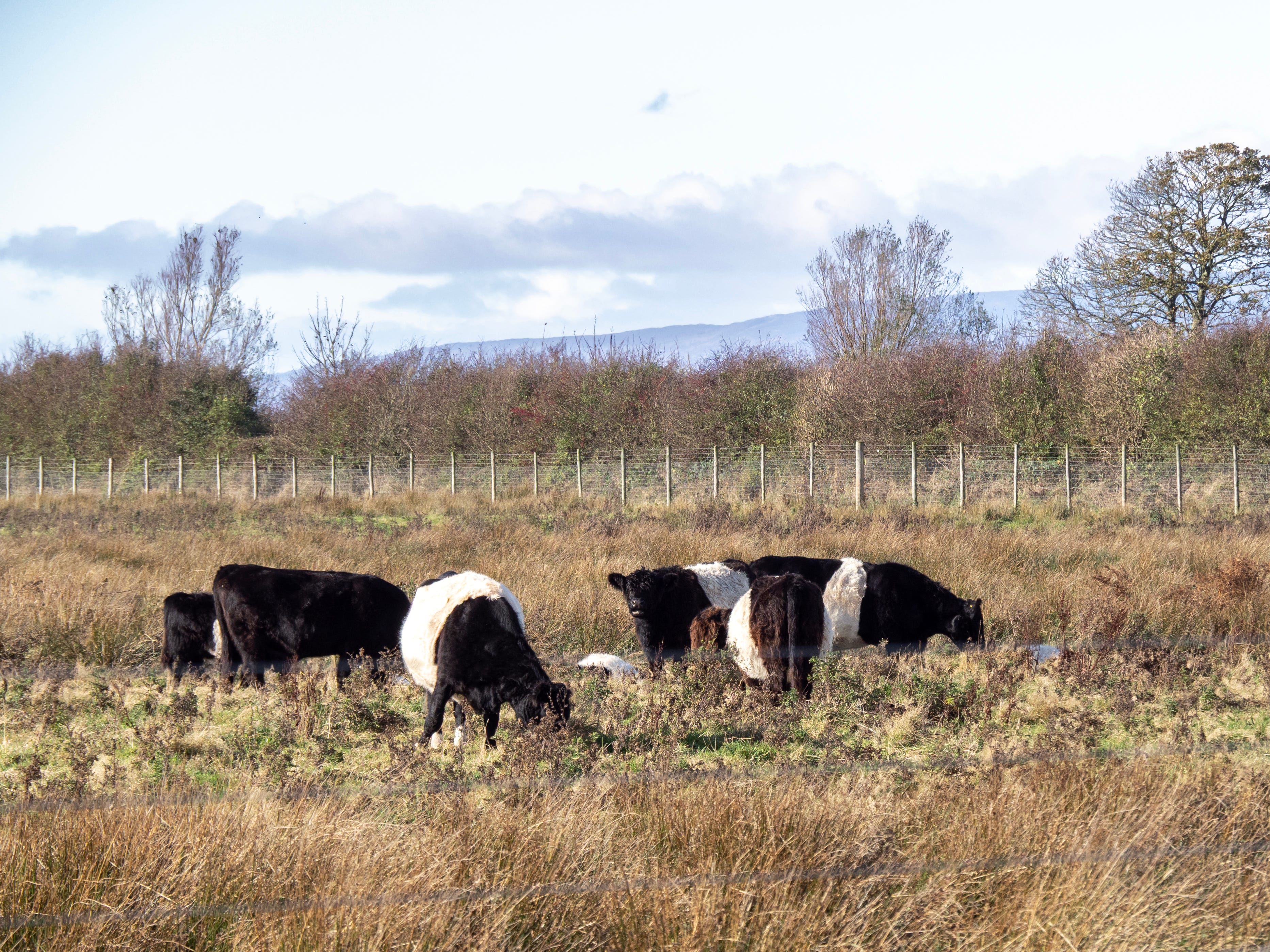
The next field we pass contains some belted Galloway cattle - my favourite breed. Their grazing, dung and trampling hooves all help in land management, creating suitable habitat for all manner of plants and creatures.
Just before the end of our circular walk another interesting feature is a clay dabbin. Clay dabbins are traditional Cumbrian buildings constructed of earth and clay rather than stone or brick. Once numerous, several of these cosy buildings can still be found around the Solway Coast. (You can read more about clay dabbins here.)
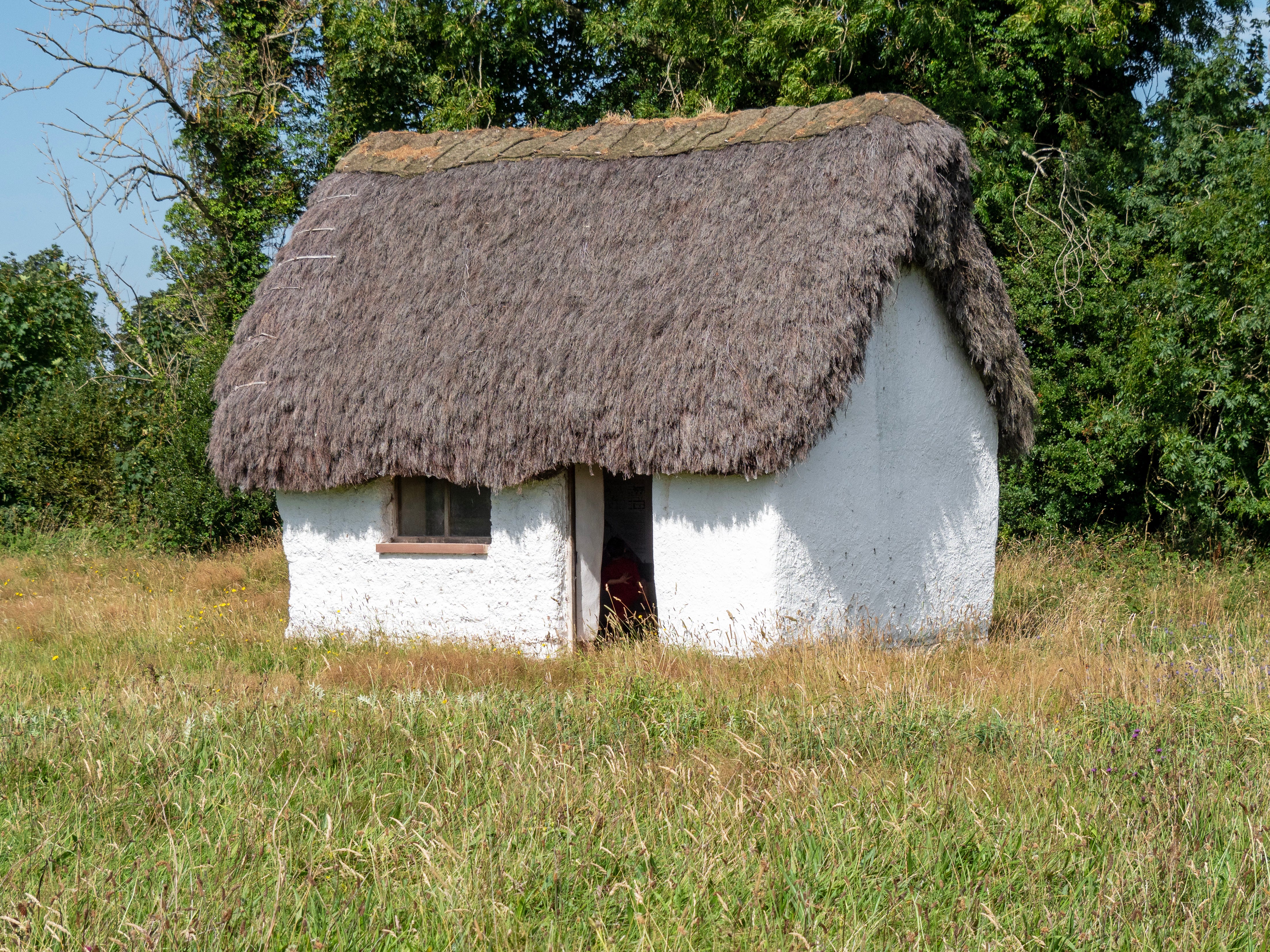
The one at Campfield Marsh is not old. It was built in 2017 using clay from the reserve, and acts as a small visitor centre with information about these unique Cumbrian houses.
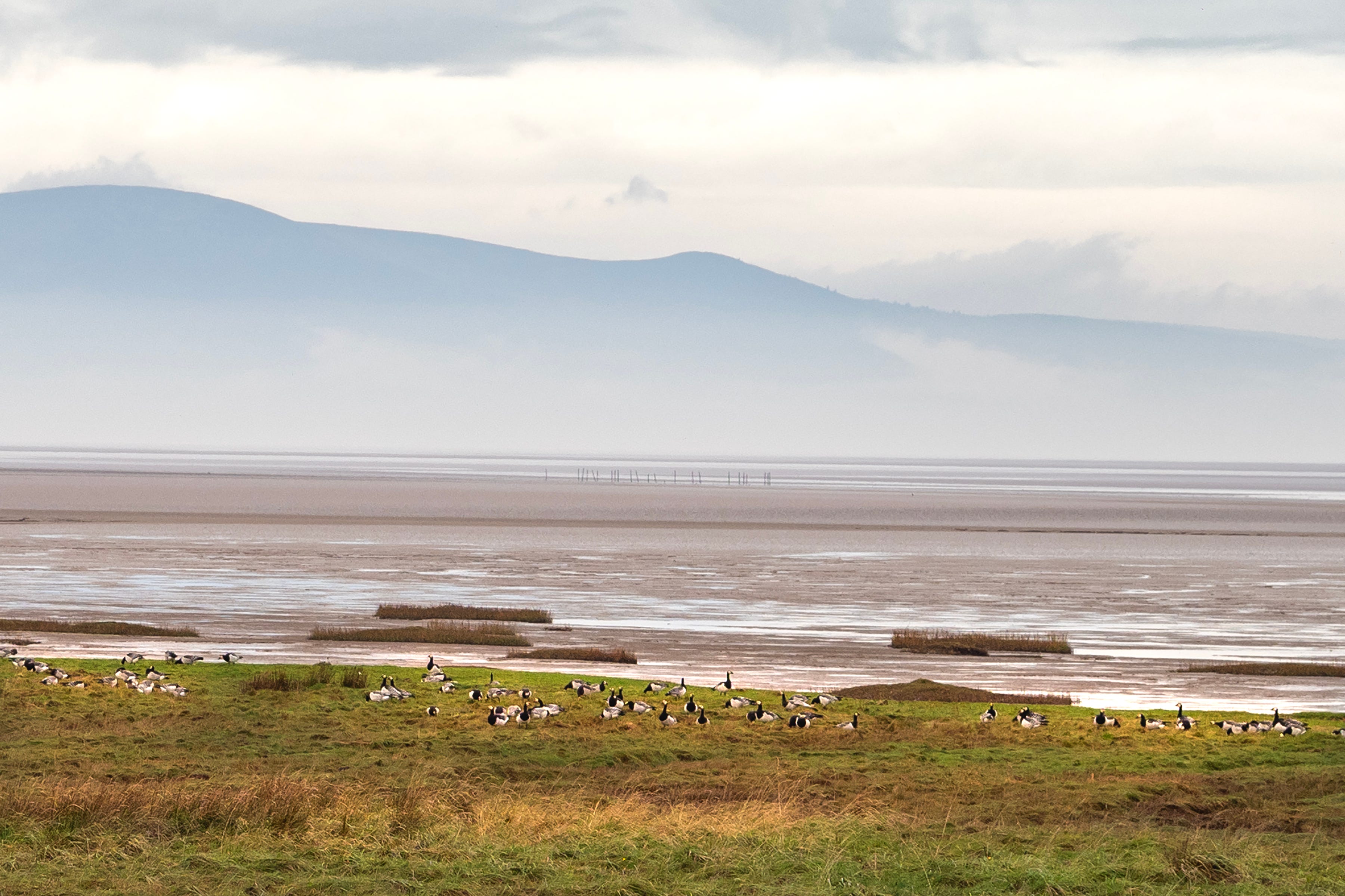
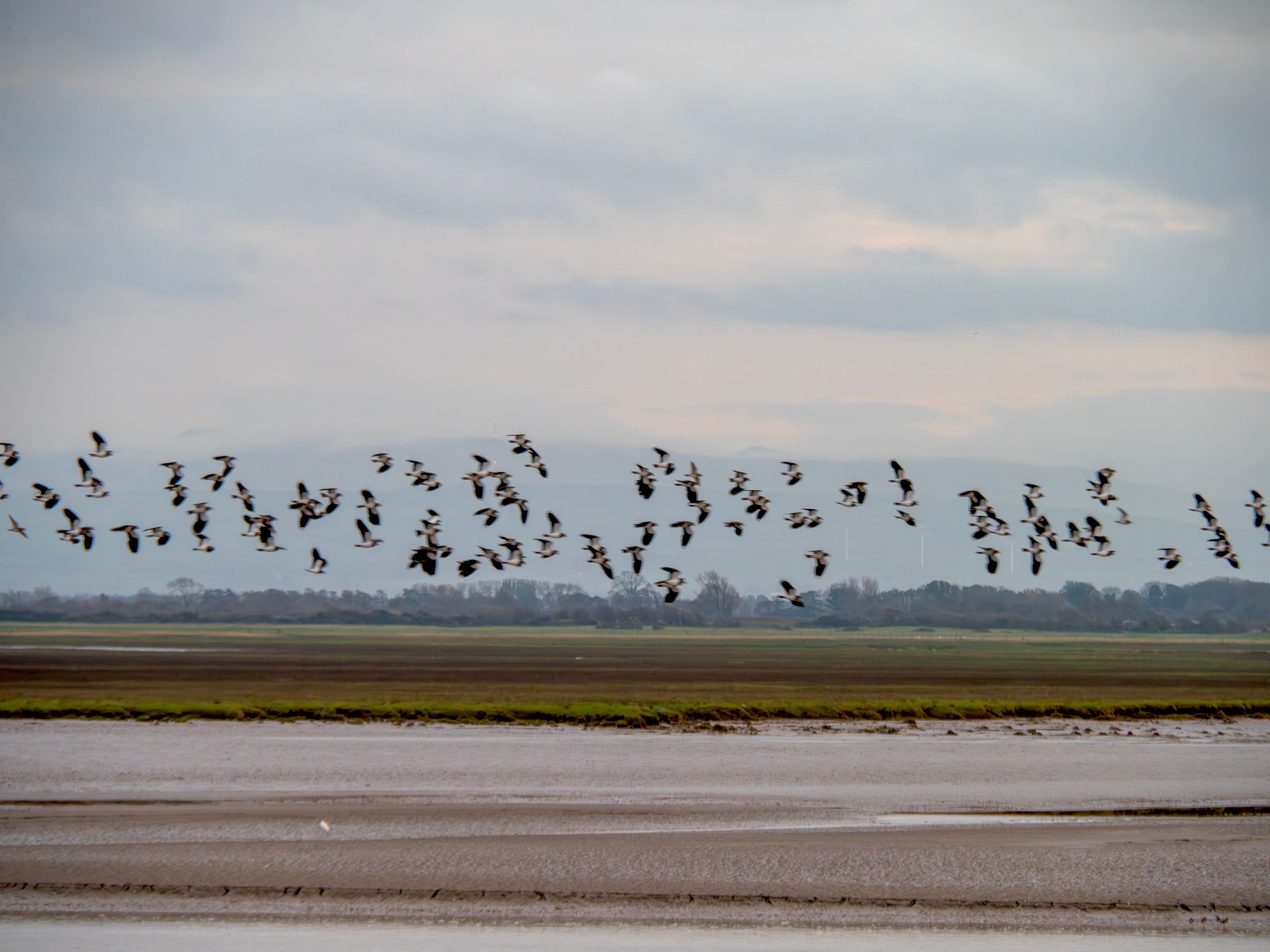
We arrived back at the car park intending to use a picnic table for our lunch. But a large group had just arrived, so we opted instead to drive to one of several laybys overlooking the saltmarsh. This proved to be a good choice, as a convenient bench allowed us to watch barnacle geese grazing on the saltmarsh, and flocks of lapwings flying past as the tide came rushing in. A lovely end to our short morning walk.
You can read more about Campfield Marsh on the RSPB page here.
To read about our trip to Svalbard follow the link below:

This post is free for everyone to read. If you enjoy my posts and would like to support my writing please consider a free or paid subscription.
You can see more of my photographs here at Photo4Me, where you can also buy prints in various formats.
Paid subscribers can access a growing collection of photos that can be downloaded free.
If you don’t want to commit to a paid subscription but would still like to support my writing and photography you could always Buy Me A Coffee - your support would be so very much appreciated!
What a gorgeous area! Lovely captures, especially the composition of the first image and that great robin shot 😍
I enjoyed following you on this walk Angie. A great read. Although distant it was lovely to see your barnacle verses. When I see them flying over the Solway they remind me of Sir Peter Scott paintings.