
When Planning a Garden is Anything But Straight Forward
An update from our new home in Aberdeenshire, Scotland
It is hard to believe that we have been in our new home here in the north east of Scotland for well over a month now - goodness, time flies. It still seems incredible that this is now our home. Though it is starting to feel more familiar with our own furnishings and belongings now suitably sited. We absolutely love the seclusion here, with garden or open countryside views from every window. It suits our reclusive lifestyle down to the ground.
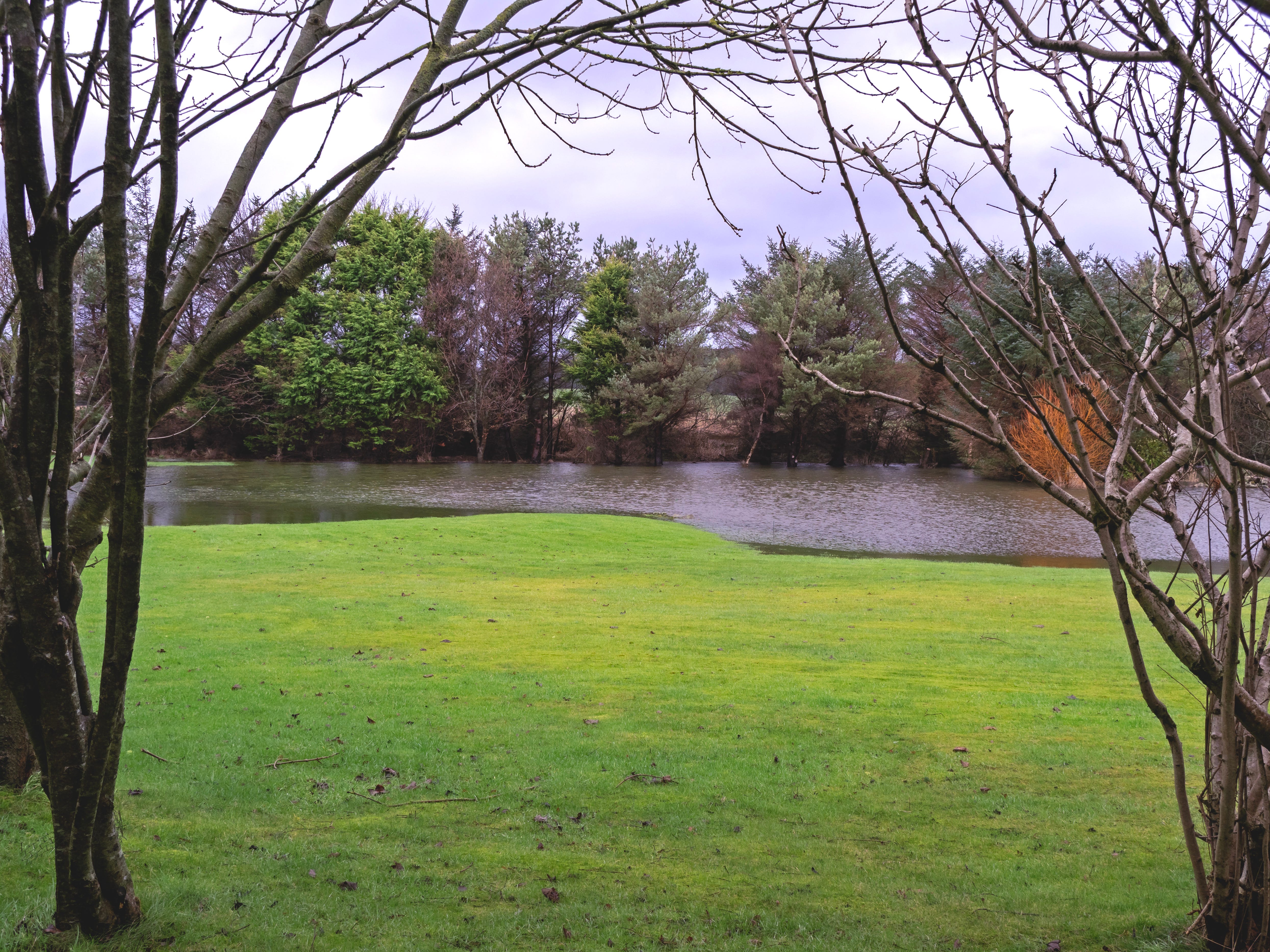
The main reason we decided to buy this property, which was well outside our preferred area of Scotland, was its huge garden. I have long dreamed of having a garden with enough space to create a productive kitchen garden and orchard, so we can be more or less self-sufficient in fruit and vegetables, as well as having plenty of space for wildlife.
When our offer on the house was accepted back in October, the first thing I did was to start planning the garden. Where I would put raised beds. Where I would plant fruit trees and bushes. Where I would plant herbs and flowers to attract beneficial insects. What I would leave wild for nature.
I studied the orientation of the grounds, and where sun and shadows would fall throughout the day. I learned that the climate here in the north east of Scotland is usually much dryer than the west with more sunshine hours, less snow in winter, but often exposed to strong winds.
I spent many, many hours researching fruit tree varieties and rootstocks suitable for our northerly location. And even more hours browsing through seed catalogues, selecting and ordering hardy varieties fit for our somewhat harsh environment.
By the time we actually moved in, I had the whole garden planned in some considerable detail. I could picture in my mind exactly how it would look and how productive it would be.
It only took a few days after we moved in before I realized my plans were completely useless.
First there were the deer. When I looked out of my window on our first morning, I saw several roe deer looking very much at home nibbling on some as yet unidentified shrubs in the garden. How lovely! I definitely want to have deer visiting the garden. But of course those deer will also love to browse the fresh new leaves of my planned fruit trees and bushes, and probably anything growing in vegetable beds. First plan change - tree guards or suitable fencing/netting will be required - more work and more expense.
Later that day while walking around the part of the garden I had planned for vegetable beds, I noticed a large area that was very squelchy. A bit of research revealed that this was near the soakaway of the rather old septic tank, which is not sited quite where I thought it was. There are no apparent problems at the moment, but it is possible the whole system will need to be replaced at some point - thus definitely not the area to build a kitchen garden!
The next day we started noticing lots of scrapes and holes in the grass. The more we looked, the more we found, and new ones have been appearing every night since we arrived. Quick research revealed that these are snuffle holes made by foraging badgers looking for worms and grubs. Fantastic - badgers in the garden!


But like the deer they can cause big problems for kitchen gardeners. Apparently they absolutely love strawberries and other fruit, sweetcorn, and to dig up carrots, potatoes and other root vegetables. They are strong animals with formidable claws, so can easily tear through netting and even fences.
Hence more plan changes. Like the deer, the last thing I want to do is keep badgers out of the garden. In fact I am so looking forward to getting trail cameras installed so we can get footage of them! It is a very big garden, so there is plenty of space for wildlife. I just don’t want them to destroy all the plants that are going to provide us with food - especially when those plants will cost a lot of money, time and effort to establish.
I have been researching ways of gardening to minimize badger damage. Ideas that I like include:
Growing foods that badgers dislike the smell of among vulnerable crops. Onions, garlic, aromatic herbs like rosemary, oregano, thyme, mint and lavender are often suggested - and I want to grow all these anyway.
Motion activated lights or sprinklers.
Solar ‘Predator Eyes’, which are pairs of red lights that come on at night and, when strategically placed, make the badgers think they are being watched. They can be regularly moved to different locations so the badgers don’t just get used to them. I have already purchased a couple of these, and will be interested to see how they perform.
Citronella spray around the growing area (badgers hate the smell).
Putting out food in the areas I would prefer the badgers to visit (like near the trail camera!)
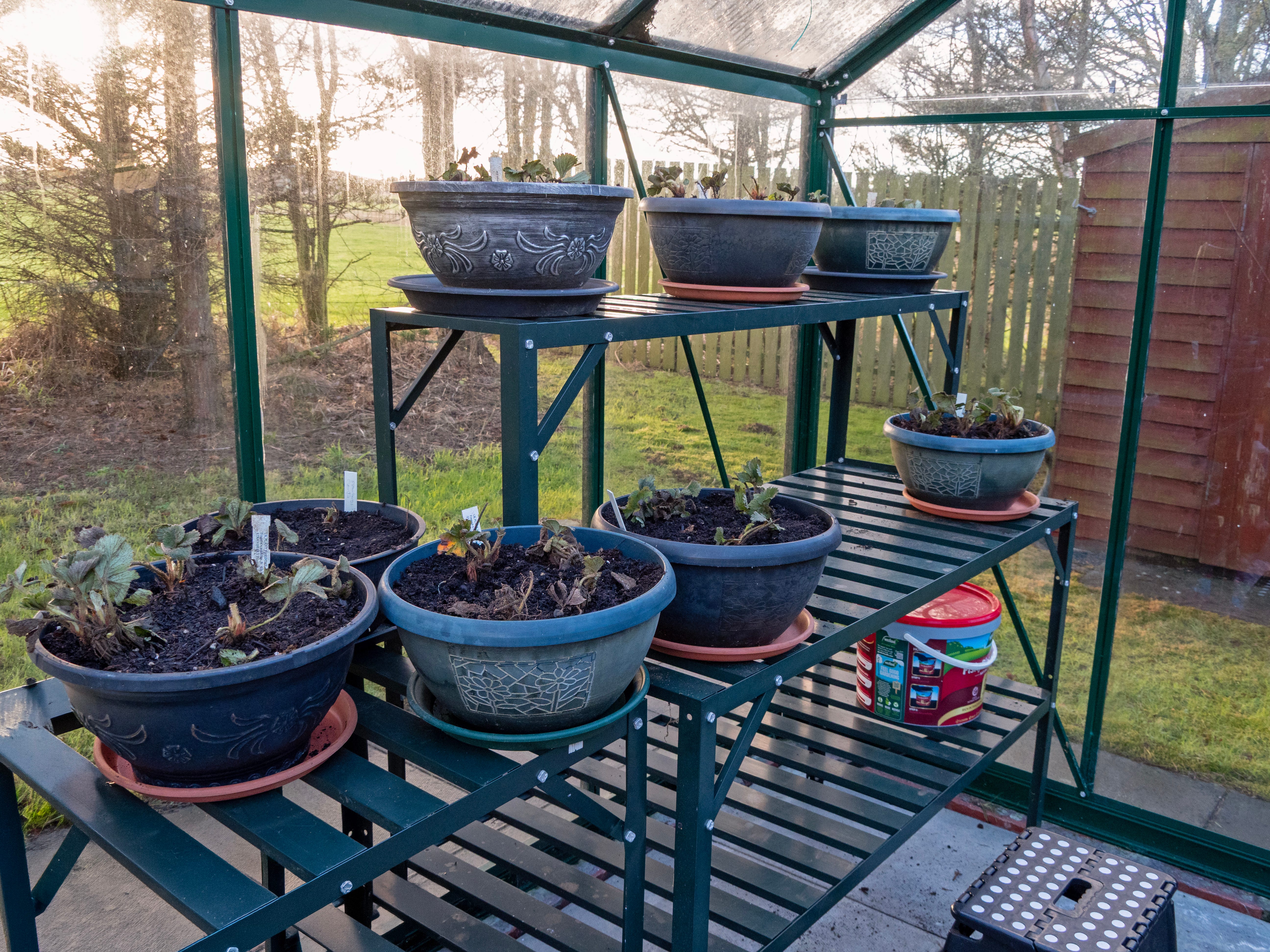
Other suggestions include human male urine (haven’t mentioned this one to Matt yet - not sure I like the idea, lol) and electric fences around the growing area. The latter is probably the most effective method. Badgers have very sensitive noses, and after experiencing an electric fence once they are unlikely to return to the same area. But it seems a bit extreme to me (I would feel cruel), as well as expensive, and I will keep that as a very last resort. For the moment I will grow strawberries in containers in the secure greenhouse instead of in the planned beds, and try a combination of the methods above. If anyone has any other ideas I would love to hear them!
And then it started to rain - and didn’t stop for over three weeks. Our large pond broke its banks, and expanded alarmingly until it covered almost the entire garden, including areas where I had intended to plant fruit trees and vegetable beds. This was, apparently, a rare event. But as we all know the climate is changing rapidly, and it may be less rare in the future.
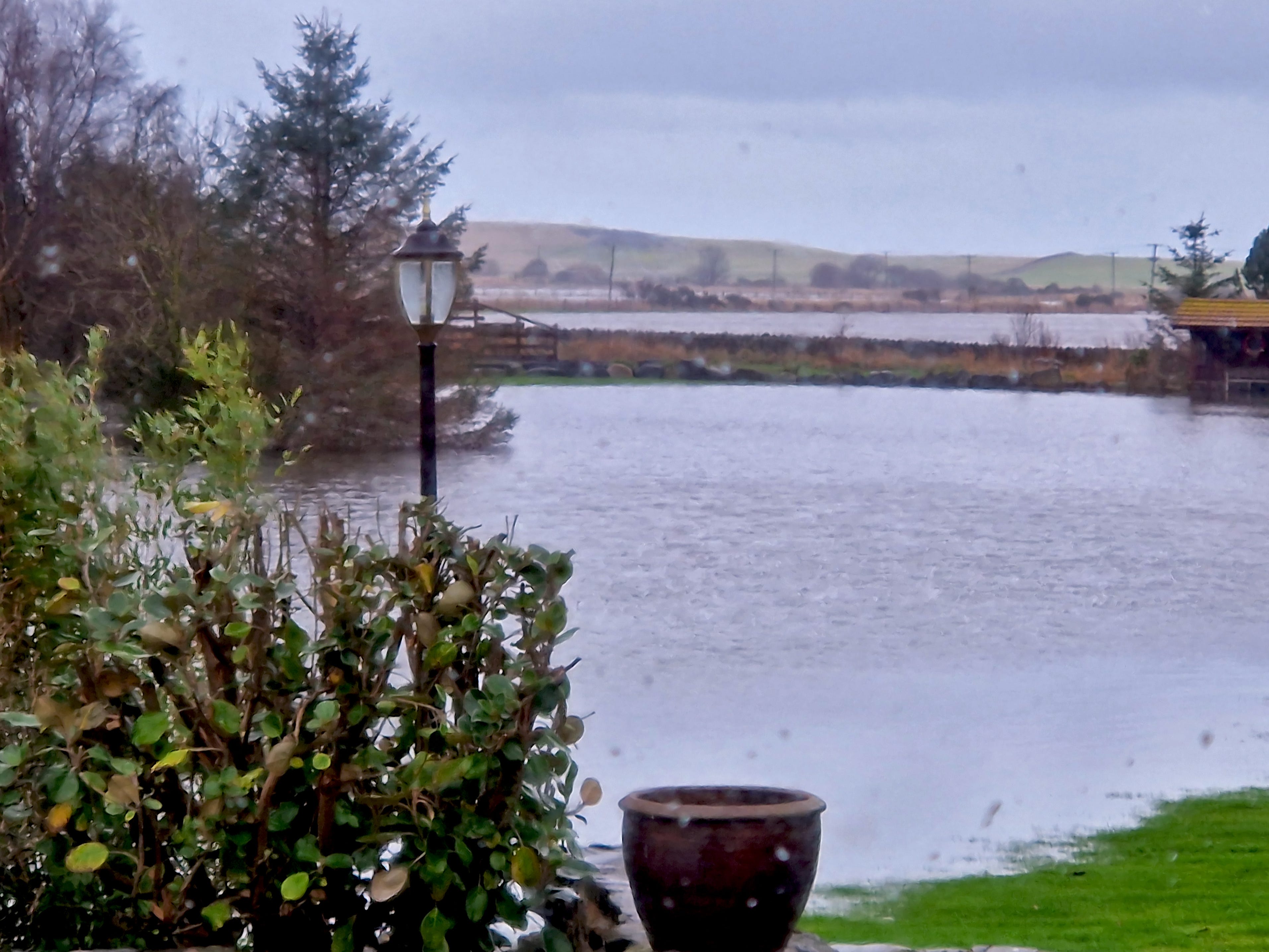
So, despite having several acres of land, there is nowhere that is ideal for growing fruit trees. Fruit trees don’t like to be waterlogged, and they like shelter from wind and plenty of sun. The land that is on higher ground, and thus unlikely to flood, is either predominantly in shade or exposed to the full force of the frequently strong wind. Shucks!
But I am not one to be put off easily. Where there are problems, there are usually solutions. And opportunities. I will have to settle for a much more modest kitchen garden than originally hoped for in the small enclosed rear garden, which is hopefully deer-proof. It does have several fresh snuffle holes, but it should be easier to control badgers in this enclosed space. It is also unfortunately surrounded by trees and largely in shade.
But chard, kale, lettuces, spinach, beans, peas, carrots, onions, etc. will all grow in partial shade - just not as quickly or productively as in sun. Tomatoes, peppers, aubergines and chillies will have to be limited to what I can fit in the greenhouse (which of course is now almost stuffed with strawberry plants!). Perhaps another year we will think about a second greenhouse, or even a polytunnel, if funds permit.
As for my dreams of an orchard, I will plant some hardy varieties of fruit trees on higher land which should be safe from flooding, and hope they will survive the sometimes brutal winds. Disappointing, but still a massive improvement on what I had before.
The rain did finally stop about a week ago, and we have even had a little sunshine. When the sun does come out it is really lovely here - far-reaching views, birds singing, moorhens on the lawn, and hardly another house in sight.
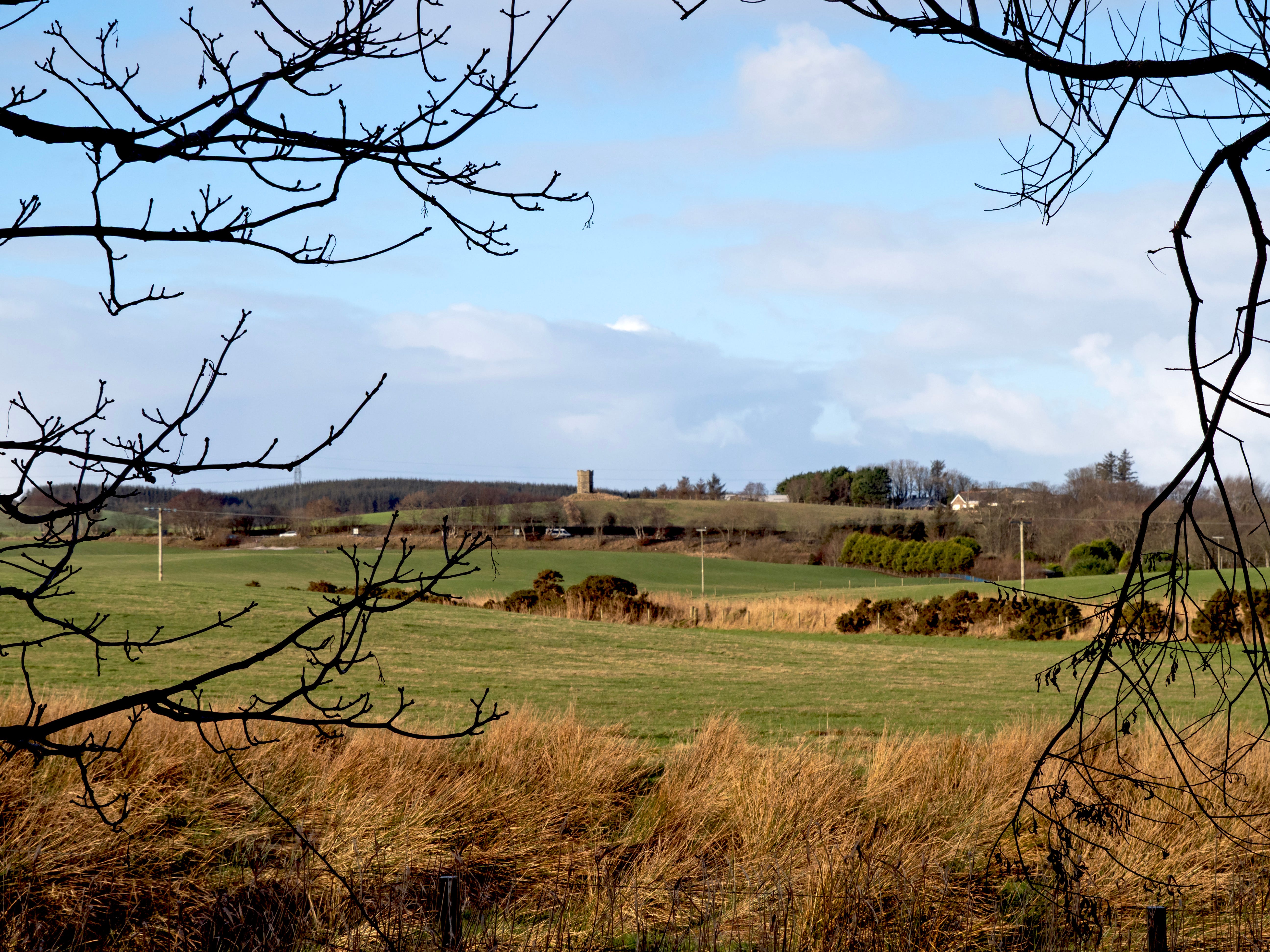
The flood water disappeared remarkable quickly, like it was never there. At least it was clean water and didn’t leave a muddy mess. So after a slow start I am now frantically sowing seeds, planting fruit bushes and digging turf to prepare for the fruit trees which have been ordered and are heading this way.
One thing this did make me realize is how impossible it is to plan a garden unless you know how its ecology changes through the seasons. One short viewing (in the midst of Storm Amy) and hours spent poring over photos taken in late summer did not prepare me for the reality.
It also made me wonder how many important land planning decisions are made by people who do not really know what they are dealing with. I suspect there are a lot!
Because of the adverse weather, and the time and effort needed to get the garden established, we haven’t been out exploring yet. Hopefully this will change before too long, and I will be able to get out with the camera. Look out for future posts, and also for observations and updates from the garden - I am really excited to see what as yet unknown plants emerge here as spring progresses. And of course watching the wildlife that visits will be such a joy!
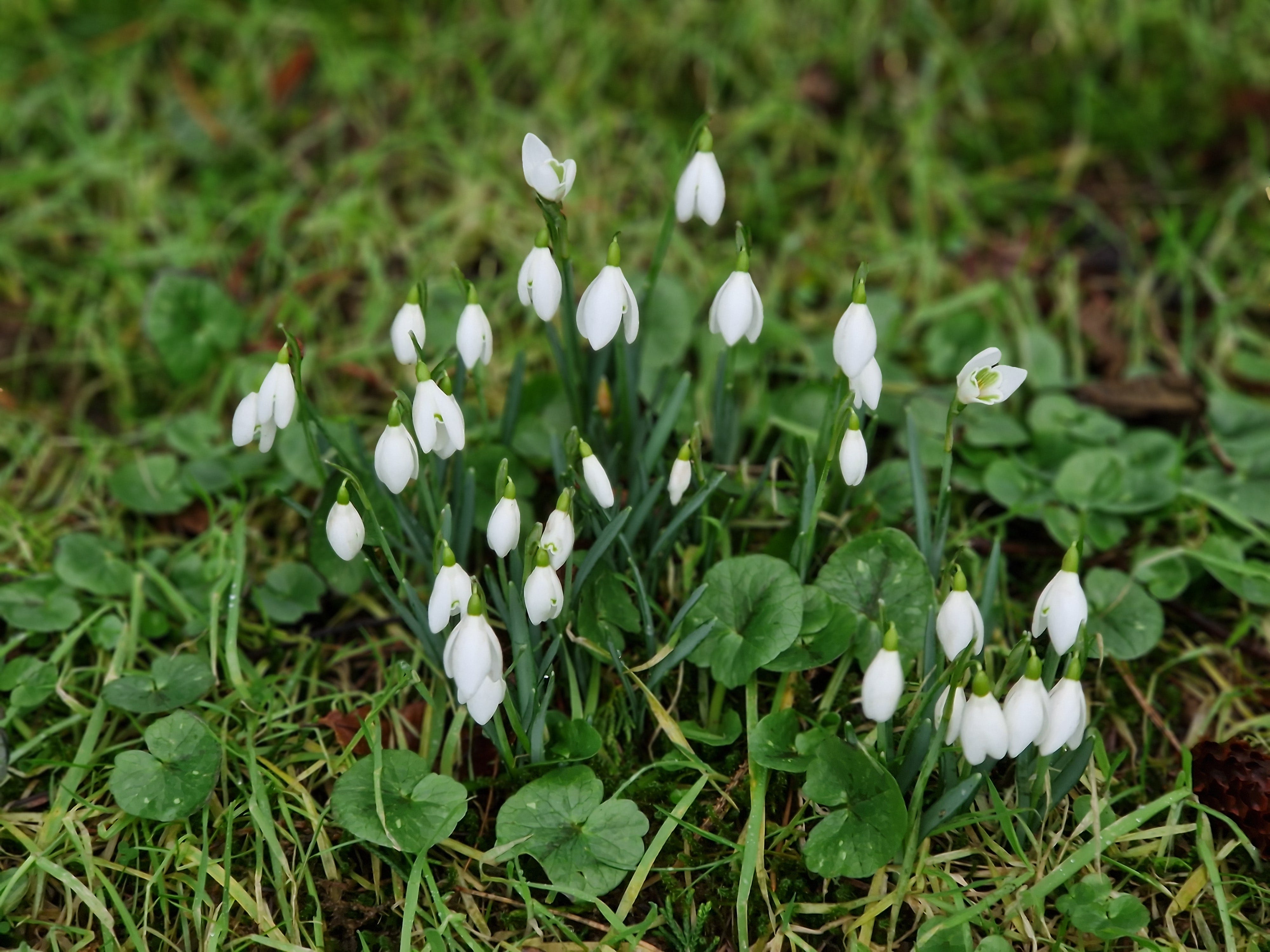
Until next time, take care everyone, and enjoy the early signs of spring!
We live in a wooded location with plenty of grazing deer. There have been many disheartening learning experiences even when buying plants that deer supposedly don’t like. Apparently, ours have a special diet 😆. In the end we joined a CSA or community supported agriculture farm. I have also had good luck with Deer Defeat. I hope you can find it in your area. I thought that a rhododendron that was here when we moved in was a dwarf variety. Since I started using the spray, it has turned into a lovely five foot shrub. If nothing else, you will find many gardeners with a compassionate ear for your nature challenged experiences. I look forward to following along on your gardening adventures.
Sending fellow-feeling from another north east of Scotland gardener! There's nothing like living with a location to bring home the gardening and growing realities. Given your exposed location, I would strongly advise against a standard polytunnel. I've seen too many ripped to shreds in this north east neuk. Look instead at getting a Shetland Polycrub (the original ones made in Shetland, not the copy-version made elsewhere). They're designed to withstand the full force of Shetland winds, and in addition use material recycled from fish farms. https://www.polycrub.co.uk/
There's a useful Polycrub user group on Facebook, and local Polycrub owners are usually very happy to have someone considering getting one visit their crub to chat over practicalities. Disclaimer - I don't have one yet, but it's on my wish list, given my exposed location.